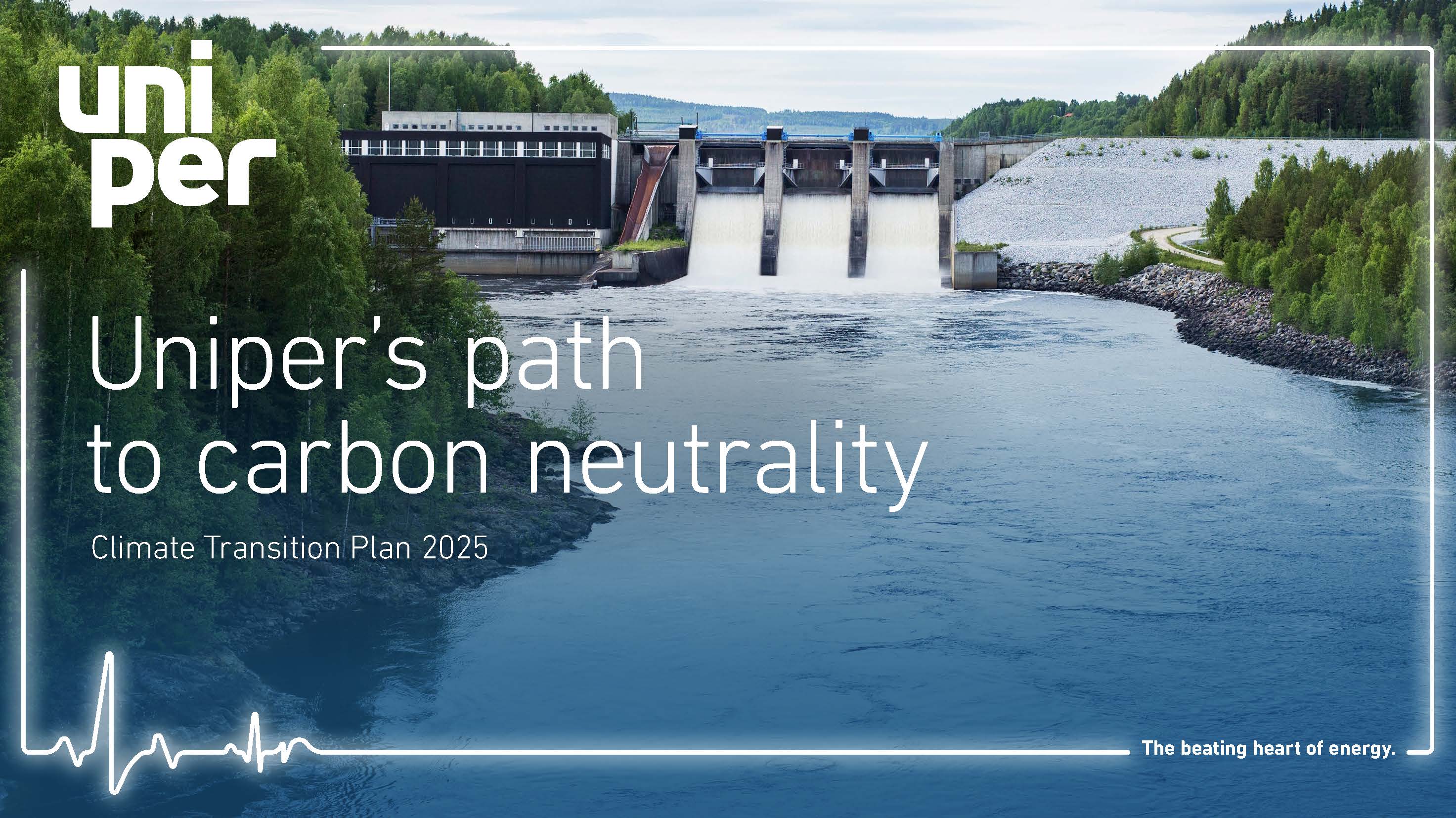

Hydro power

Hydro: clean electricity from water

We’ve been producing hydroelectricity for over 125 years. Our first hydro plant, Höllriegelskreuth in southeast Germany, entered service in 1894.

Today, we have 2 GW of hydro capacity in Germany and 1.6 GW in Sweden. Our hydro plants enables us to meet the growing demand - particularly in the utility, automotive, food, and high-tech industries - for certified green power. Many of these plants are dispatchable as well, which means that they can help provide backup for the fluctuating output of wind and solar farms. Four of our hydro plants in Sweden have battery systems as well. This enables them to help control frequency deviations in the grid.

Pump up the power

Pumped-storage hydro plants are currently the only technology capable of efficiently storing large amounts of electricity. They’re also extremely flexible and can therefore swiftly balance out fluctuations and maintain grid voltage. And, unlike most power plants, they don’t need electricity from the grid to start themselves. In an outage, they can restart other power plants and help get the lights back on.

We want to add more pumped-storage hydro capacity. That’s why we‘ve submitted a plan to refurbish and recommission Happurg, a 160 MW pumped-storage plant near Nuremberg that has been out of service since 2011. This would provide southeast Germany another reliable source of clean, flexible power.

Image

A passing lane for fish

Hydro plants produce 100% clean electricity and will thus remain a key ingredient in tomorrow’s zero-carbon energy mix. But operating them also gives us the responsibility to be a conscientious environmental steward to the flora and fauna nearby. To fish, for example, hydro plants are insurmountable obstacles. That’s why nearly all our run-of-river plants offer fish an alternate route, a man-made creek called a fish pass or fish ladder. This enables fish them and other water dwellers to get around the plant safely. Other nature conservancy projects at our hydro plants include breeding grounds for fish and birds, habitats for eels, and spawning grounds for salmon.

Image
Hydropower in Germany

Hydropower in Germany

Clean air, clean water and an intact environment are the prerequisites for life. Generating electricity with hydropower is both a practical and sustainable form of environmental protection. It creates no noise, smoke or residue. Hydropower is a proven, locally produced and controllable source of renewable energy.

Image
Fördelar med vattenkraften

Hydropower in Sweden

Hydropower has many advantages. It has near-zero emissions of greenhouse gases, while providing a reliable electricity supply at a competitive price. Hydropower is renewable, because the water that is utilized by the power plant is not consumed, but constantly returned in the form of precipitation.

Our hydropower plants

Danube

Danube hydropower group

The hydropower plant group Danube comprises run-of-river plants along the Danube in Germany.

Lech

Lech hydropower group

Lech hydropower group consists of 22 run-of-river power plants on the River Lech as well as the Roßhaupten storage power plant on Lake Forggen. With a total capacity of around 260 megawatts, they generate around 1.1 billion kilowatt hours of…

Loisach Isar Kanal_Blick nach Süden

Isar hydropower group

The Isar power plant group comprises run-of-river plants along the rivers Isar, Rißbach, Kesselbach, Loisach and Amper, as well as the storage plant Walchensee/Kochelsee.

Wallstadt

Main hydropower group

The hydropower plant group Main comprises 37 run-of-river plants along Main, Germany.

Happurg

Pumped storage hydropower group

The Pumped storage power plant group mainly comprises pumped storage and storage plants along the rivers Eder, Diemel, Main, Sinn, Happach, and Rusel. The plant group's total installed capacity is 807 MW, with an average annual generation of about 1,…

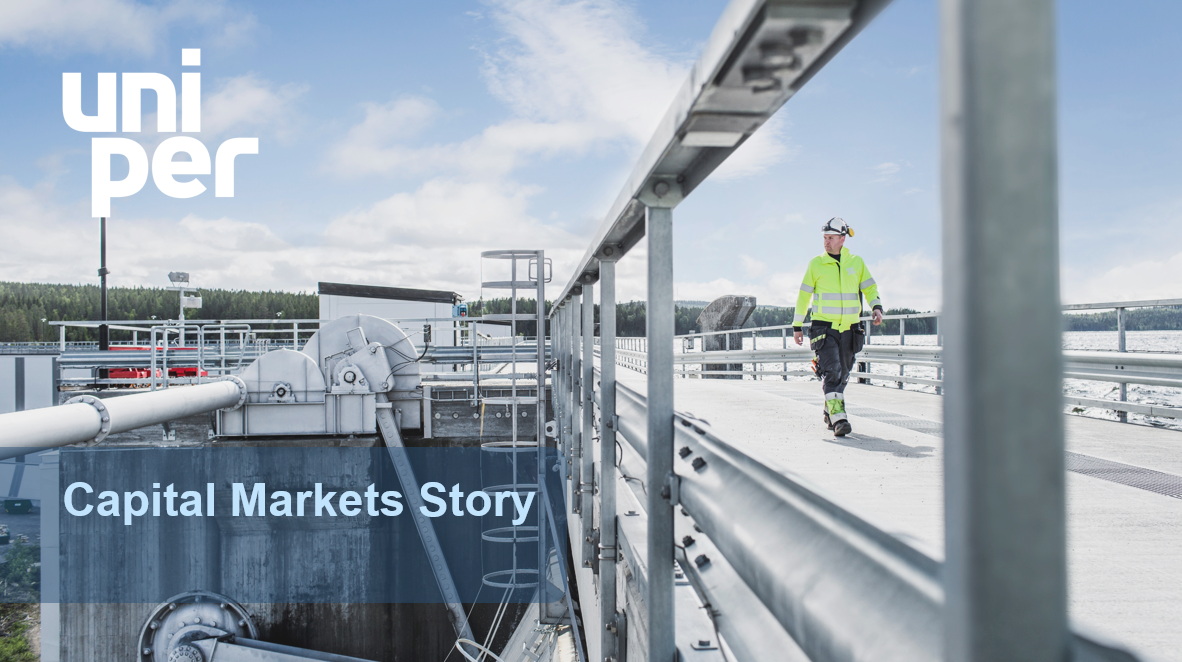
Engineers walking along a bridge at a Uniper hydro plant in Sweden

Hydro powerplants in Sweden

Our hydropower assets in Sweden includes 74 run-of-river plants, located from Lycksele in the North to Kristianstad in the South.

Hydrogen  

Uniper is developing a hydrogen portfolio with the aim of a long-term transition. Uniper is a hydrogen pioneer. We’re active worldwide along the entire hydrogen value chain and are conducting projects to make hydrogen a mainstay of Europe’s energy…

Nuclear  

Uniper is Sweden’s second largest nuclear power company. Uniper Sweden has three active nuclear power plants: OKG, Ringhals and Forsmark. We are the majority owner and operator of OKG in Oskershamn, a 1.6 GW nuclear power plant on the country’s east…

Coal 

We closed two more coal-fired power plants - Ratcliffe in Britain and Heyden in Germany - in 2024. This took us another big step toward exiting coal entirely. Our commitment to quitting coal faces constraints, however, Germany’s Federal Network Agency…

Gas

Pioneering renewable and low - carbon gases.

Wind and solar

Green sources for our customers' electricity.