
Resource conservation and waste management

Resource conservation and waste management

We actively strive to avoid negative ecological and social impacts of our activities.

We are constantly working to reduce pollutants in the air, water, and soil and to use natural resources responsibly. Through modern technologies, efficient processes and the increased use of renewable energies, we reduce emissions, lower water consumption and promote a circular economy. Responsible waste management complements our commitment to a clean environment and healthy living spaces.

To minimize environmental risks as far as possible, we use environmental management systems that are certified according to the internationally recognized ISO 14001 standard. In addition, energy management systems in accordance with ISO 50001 are implemented at all our fossil-fuel-fired power plants and energy storage facilities in Germany.

Image
Abstract Image Speed of Light
Image
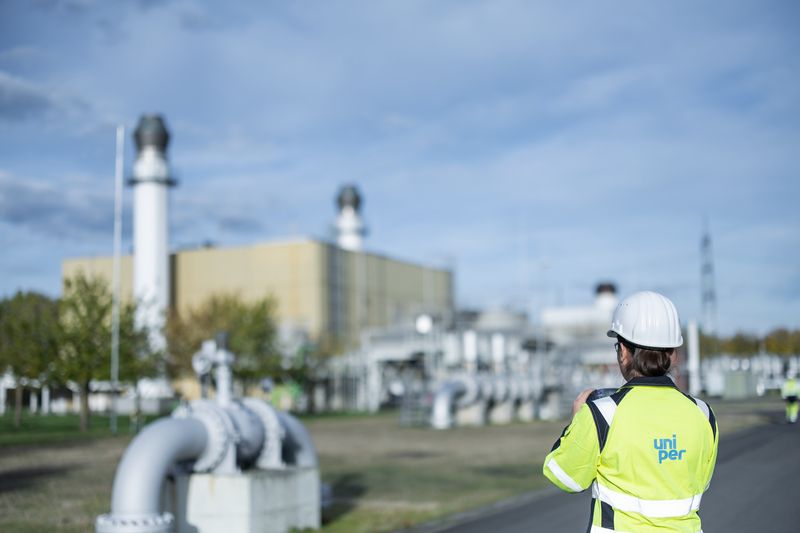
240305_Uniper_Irsching_510554.tif

Reduction of pollutant emissions into water, soil and air

The generation of electricity from fossil fuels produces greenhouse gas emissions as well as sulfur dioxide (SO₂), nitrogen oxide (NOₓ), dust, and wastewater. These emissions can impair air, water, and/or soil quality. We measure these emissions using a combination of methods tailored to the properties of each pollutant and the regulatory requirements. For certain pollutants, direct continuous monitoring is carried out to ensure the accuracy of the data in real time. Other pollutants are measured regularly or calculated using established estimation methods. By ensuring that we comply with all legal requirements and by implementing improvement programs where necessary, we address risks in the best possible way. Our expertise in combustion technology enables us to reduce the impact of our plants using the best available techniques, including appropriate emission reduction technologies.

- kt

In 2024, SO₂ emissions dropped to 1.6 kt—half of 2023—thanks to flue gas desulfurization 90%

- t

Despite extensive filters, burning coal and lignite in power plants still produces air pollutants.

- kt

NOₓ down as coal plants close for decarbonization

%

of our fossil fuel-fired power plants and energy storage facilities in Germany remained ISO 50001 certified.

Water use and optimization

Water is a vital resource that we must use carefully and with foresight. It is also essential for our business. Our hydroelectric power plants are located on numerous large and small bodies of water in Germany and Sweden. To generate electricity, these power plants depend on rivers carrying sufficient water. Our combined heat and power plants draw cooling water from the sea, estuaries, and rivers.

It is likely that climate change will have a long-term impact on the water cycle in the regions where we operate. Long periods of drought could alter river courses, reduce the amount of water available to our power plants, and affect supply chains. Lower water levels, in turn, lead to higher concentrations of pollutants in the water. Rising temperatures cause ecosystems to suffer. We therefore see it as our responsibility to find sustainable water sources, ways to use water sustainably, and treatment methods to ensure the continued operation of our plants in the future and to reduce the impact on ecosystems in times of water scarcity.

In our processes, we rely on water-saving technologies, optimize consumption, and reduce the use of fresh water as much as possible. Where possible, we use closed-loop systems to treat and recycle process water. And, of course, we comply with all applicable laws, regulations, and permit conditions. We minimize our water-related risks with the help of internal controls.

Image
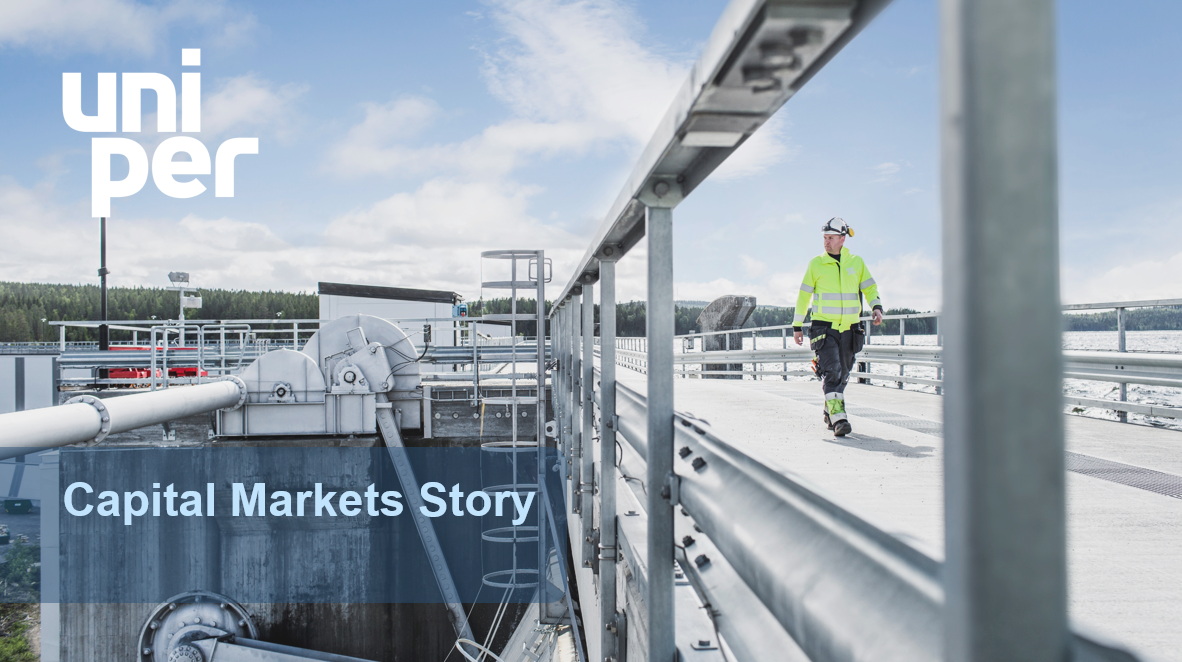
water

Recycling of by-products

Coal-fired power plants also produce by-products such as fly ash, boiler sand, and gypsum. Fly ash can be used in the manufacture of ready-mixed concrete and concrete products for the construction industry to replace some of the cement that would otherwise have to be produced using energy-intensive processes. This reduces the environmental impact of concrete, which is also good for the climate. The greenhouse potential of fly ash is up to 40 times lower than that of the cement it replaces.

We market these by-products from power generation, thereby replacing new materials and conserving resources.

In 2024, we sold, recycled or disposed 572 kilotons of these by-products. More than 83% was recycled or sold.

Waste management

We want to minimize the amount of waste we generate and improve our waste management. We always strive to reuse or recycle as much waste as possible. However, our main objective is to prevent waste from being generated in the first place.

Reusing air filters

Power plants operate more efficiently when the air needed for combustion is clean. The cleaning is done by air filters. The filters were typically replaced once or twice a year, after which they were disposed of in a landfill. Each year Uniper discards about 40,000 of them. The team at Cottam Development Centre (CDC), our gas-fired power plant located about 30 kilometers east of Sheffield, decided to study whether the filters could be refurbished and reused without affecting the plant’s performance. It turns out that they can. Now all of CDC’s filters are cleaned and reinstalled multiple times before finally being recycled. The plant now needs up to 1,150 fewer new air filters annually. 

CDC’s refurbishing project won a silver award in mid-2023 and then two Green Apple gold awards in the categories “waste management” and “innovation” in November 2023. We plan to extend the practice to other Uniper plants.

Image
Cottam Development Centre

Safe handling of radioactive waste in Sweden 

In Sweden, we operate nuclear power plants or have interests in nuclear power plants that generate low-level, intermediate-level, and high-level radioactive waste. We have a major responsibility to ensure that this waste is handled, stored, and disposed of in accordance with Swedish law. Safety, radiation protection, and environmental protection are of paramount importance to us. We are committed to a safe, long-term, and sustainable solution for handling radioactive waste. 

The decommissioning of our nuclear facilities generates low- and medium-level radioactive waste, which we treat in accordance with the highest safety and environmental standards. We rely on proven methods and transparent processes. Radioactive waste is professionally packaged, classified, and stored in approved facilities. During decommissioning, we take care to recycle materials as much as possible and only treat contaminated materials as radioactive waste. We provide regular updates on our progress and ensure that our processes remain open and transparent.