The energy transition: electricity from hydropower gets into focus
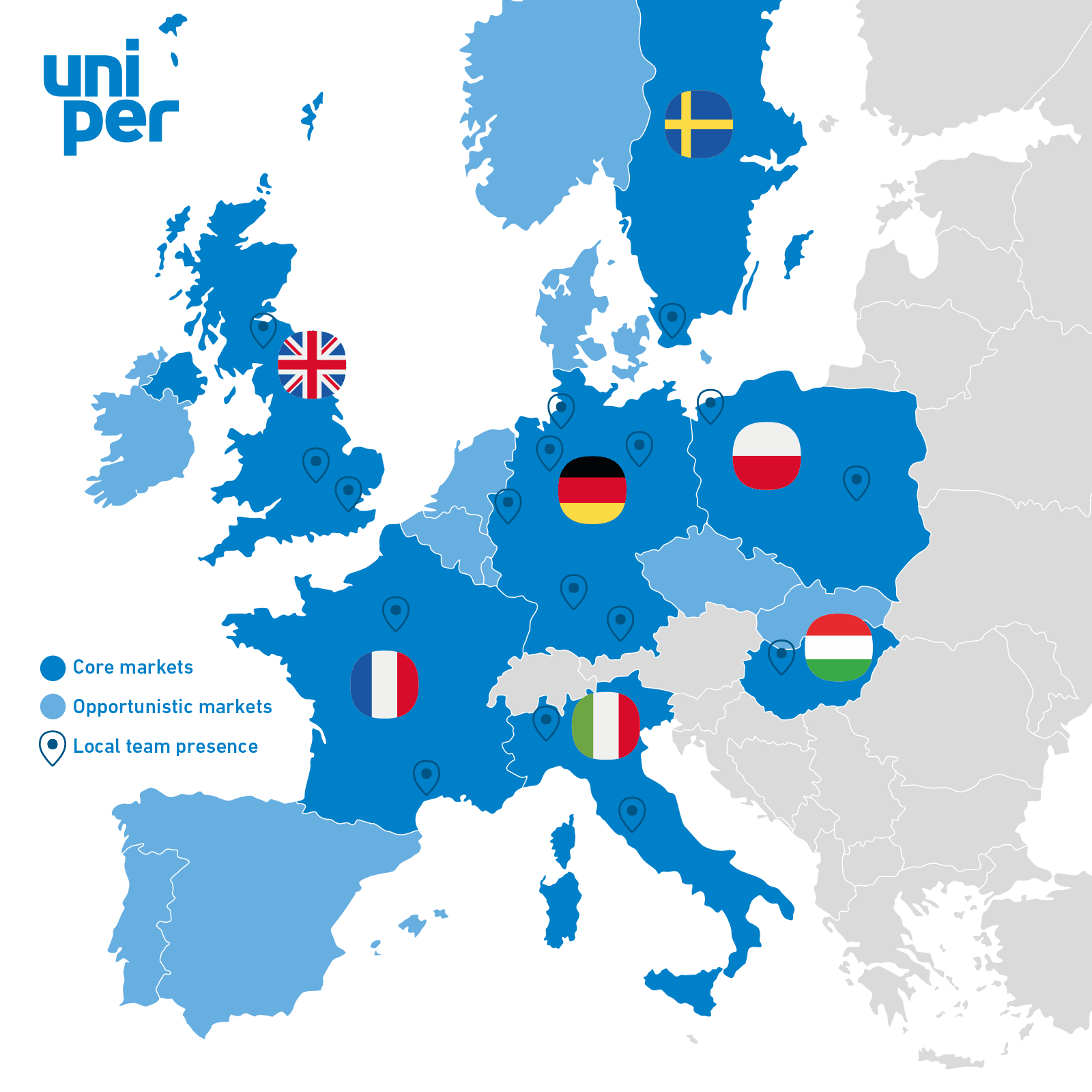
By operating 109 hydroelectric power plants in Germany that produce emission-free energy, Uniper makes an important contribution to the energy transition. Along the rivers Lech, Isar, Danube, Main and some lakes, we use the natural energy of water on more than 1,000 km. With a total of 2 GW of installed capacity, Uniper is one of the largest operators of hydropower plants in Germany.
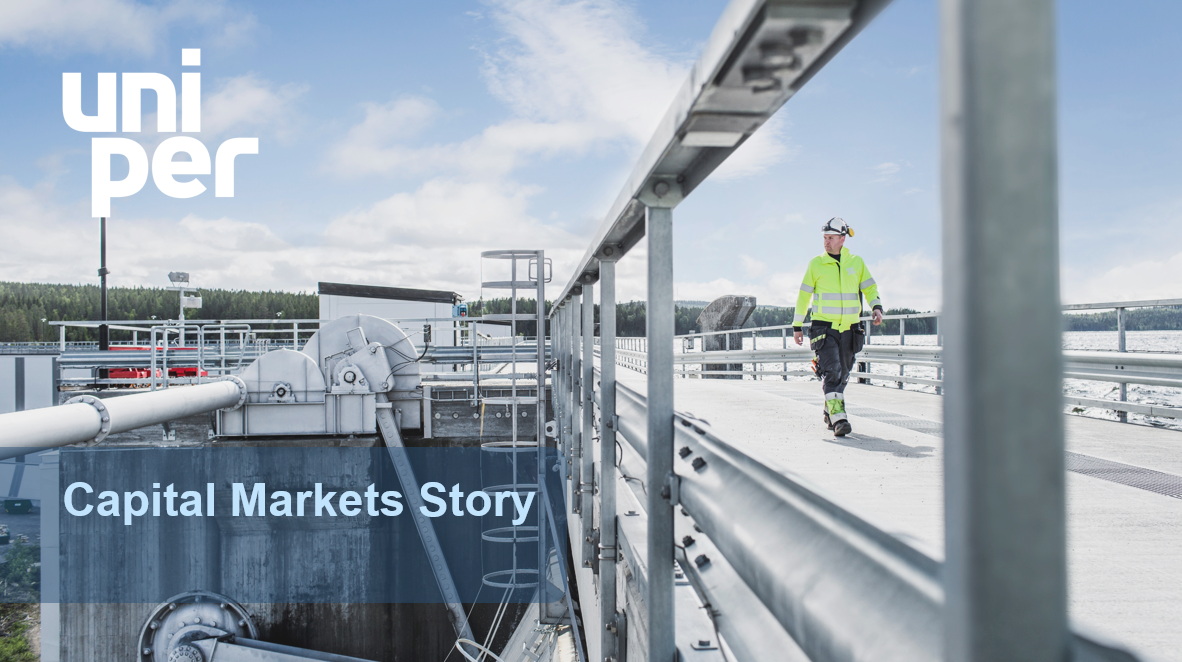
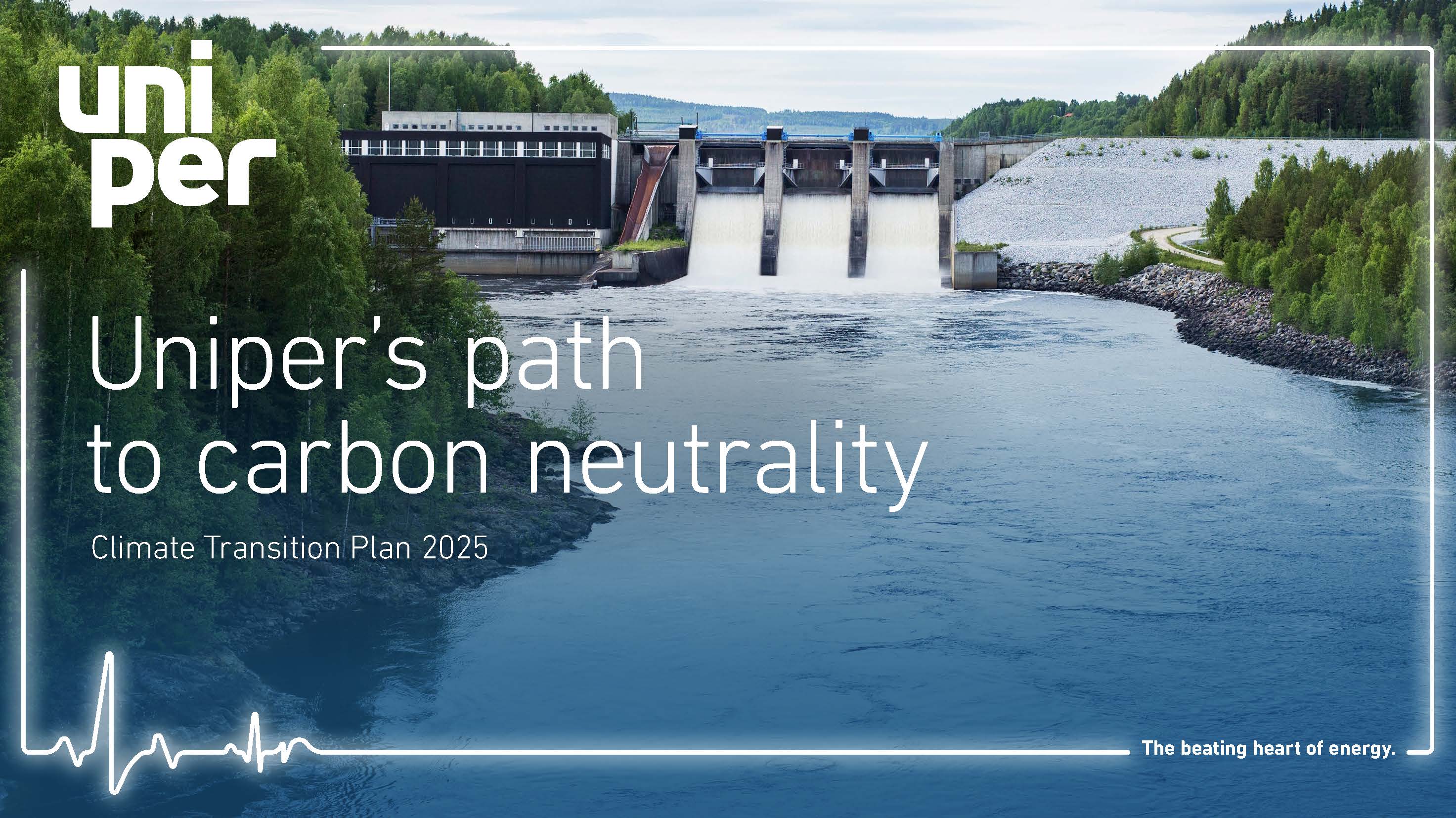
In addition, Uniper operates 76 further hydropower plants in Sweden, which is considered one of the industrial nations with the smallest CO2 footprint in the world. We operate the Swedish hydropower plants with a capacity of 1,700 MW and an annual generation of 8 TWh. The Scandinavian country plays an important role in energy generation from hydropower and holds great potential for an equally ecological and economic energy turnaround in Europe. This is because the more water that hits a turbine from greatest possible falling height, the higher the energy production. Therefore, landscapes with pronounced differences in gradient and a lot of precipitation, such as in Sweden, are appointed for generation of electricity from hydropower. As the third-largest operator of hydropower plants in Sweden, Uniper not only supports the local economy, but is also able to reliably and safely supply the German market with cost- effective energy. From Lycksele in the north to Kristianstad in the south - about 12 percent of Sweden's total hydropower production is contributed by Uniper. The oldest power plant, Hemsjö Övre, was commissioned in 1907 and is located in Mörrumsån.