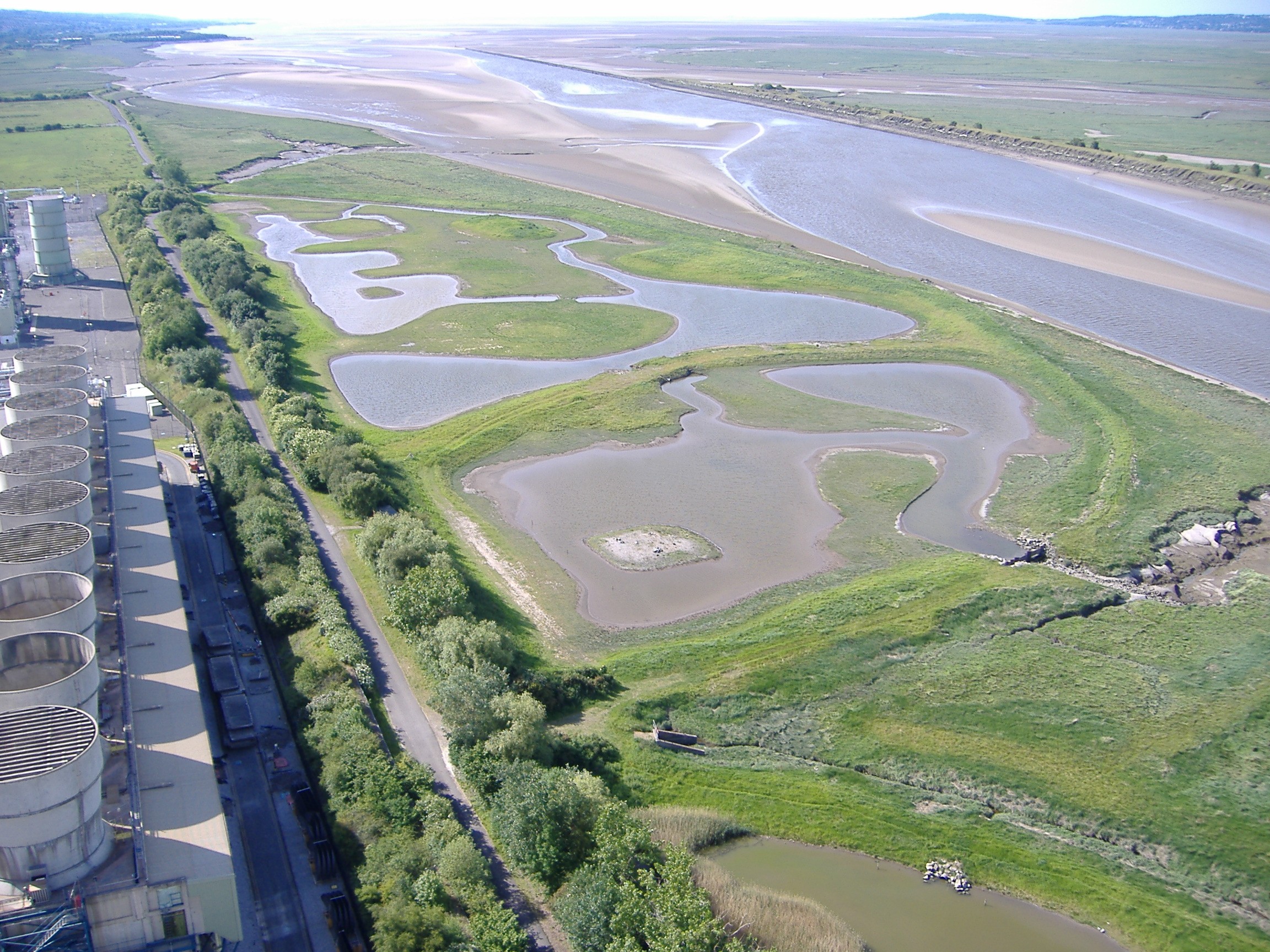
CQLCP aerial image 2025

Connah's Quay Low Carbon Power

Connah's Quay Low Carbon Power

Connah's Quay Low Carbon Power

The project

Meeting the need for low carbon, flexible electricity generation. 

Uniper is exploring the potential development of a new gas-fired power station with carbon capture technology at our Connah’s Quay site which would be capable of providing up to a maximum of 1.38GW of low carbon power, to help meet the growing need for electricity, whenever it is required. The proposed new power station would be developed in two phases, with roughly half its eventual capacity of low carbon power delivered in phase one. 

Our Connah’s Quay Low Carbon Power Project forms part of a long-term replacement strategy for our existing unabated power station and if realised, phase one of the new combined cycle gas turbine (CCGT) power station could be operational by 2030. 

The development of a new low carbon power station at Connah’s Quay would enable us to continue to reliably and efficiently generate electricity when it is needed, contributing to future security of supply as well as contributing to economic growth in the region.

Image
Conna
About the project

About the project

As we become more reliant on electricity, with the electrification of sectors such as transport, heating and industry, more generation capacity will be needed. The UK Government has also committed to decarbonising the UK electricity system by 2035, subject to security of supply. And, maintaining security of supply and grid stability are paramount, as we become increasingly reliant on electricity.

The proposed development at Connah’s Quay is a project, at an early stage of development, which if consented and developed, would be able to flexibly and reliably generate low carbon power to meet the growing need for electricity, whenever it is required.  

The project includes plans to develop a new combined-cycle gas turbine (CCGT) power station on Uniper’s land at its Connah’s Quay site. The project is at an early stage and final capacity will be determined following completion of Front End Engineering Design (FEED) which commenced in December 2024. Uniper is working towards a development consisting of two phases, with roughly half its eventual capacity of low carbon power delivered in phase one, and later expansion up to a maximum of 1.38GW of low carbon power in total. 

The new Connah’s Quay power station will be fitted with carbon capture technology to capture CO₂ emissions. The captured CO₂ would then be safely transported to permanent offshore storage facilities in repurposed depleted offshore gas fields. The new power station would connect into nearby CO₂ transport and storage infrastructure as part of the HyNet industrial cluster. 
 

Uniper’s aim is to accelerate the energy transition and at the same time meet the challenge of a reliable decarbonised electricity supply. And so it is investing, both to decarbonise its existing power generation portfolio and to develop new, flexible zero-carbon generation capability. 

The proposed new power station with carbon capture technology at Connah's Quay is an important part of addressing that challenge. If consented and developed, the project would bolster energy security by providing flexible electricity generation and ensuring a reliable supply to the electricity grid, as and when needed. To provide an indication of the potential contribution of the project, a notional 500MW would be enough low carbon electricity to power up to 1.25 million homes a year1

To achieve the UK’s ambition of Net Zero by 2050, and as we become more reliant on electricity, with the electrification of sectors such as transport, heating and industry, more generation capacity will be needed. According to the UK’s independent advisor on climate change, the Climate Change Committee (CCC), demand for electricity is forecast to increase by 50% by 2035. To meet this increasing demand and achieve the UK’s decarbonisation goals, a range of different technologies with both renewables and decarbonised generation, such as gas with carbon capture and storage, will be needed to maintain a secure and stable supply of electricity.

The proposed new CCGT power station with carbon capture at Connah’s Quay would be able to flexibly and reliably generate low carbon power to meet the growing need for electricity, whenever it is required. Power stations such as this will play a crucial role in the future energy system, as they can help ensure that energy is available at times when it is needed most, and when power from renewable sources can’t meet demand. 


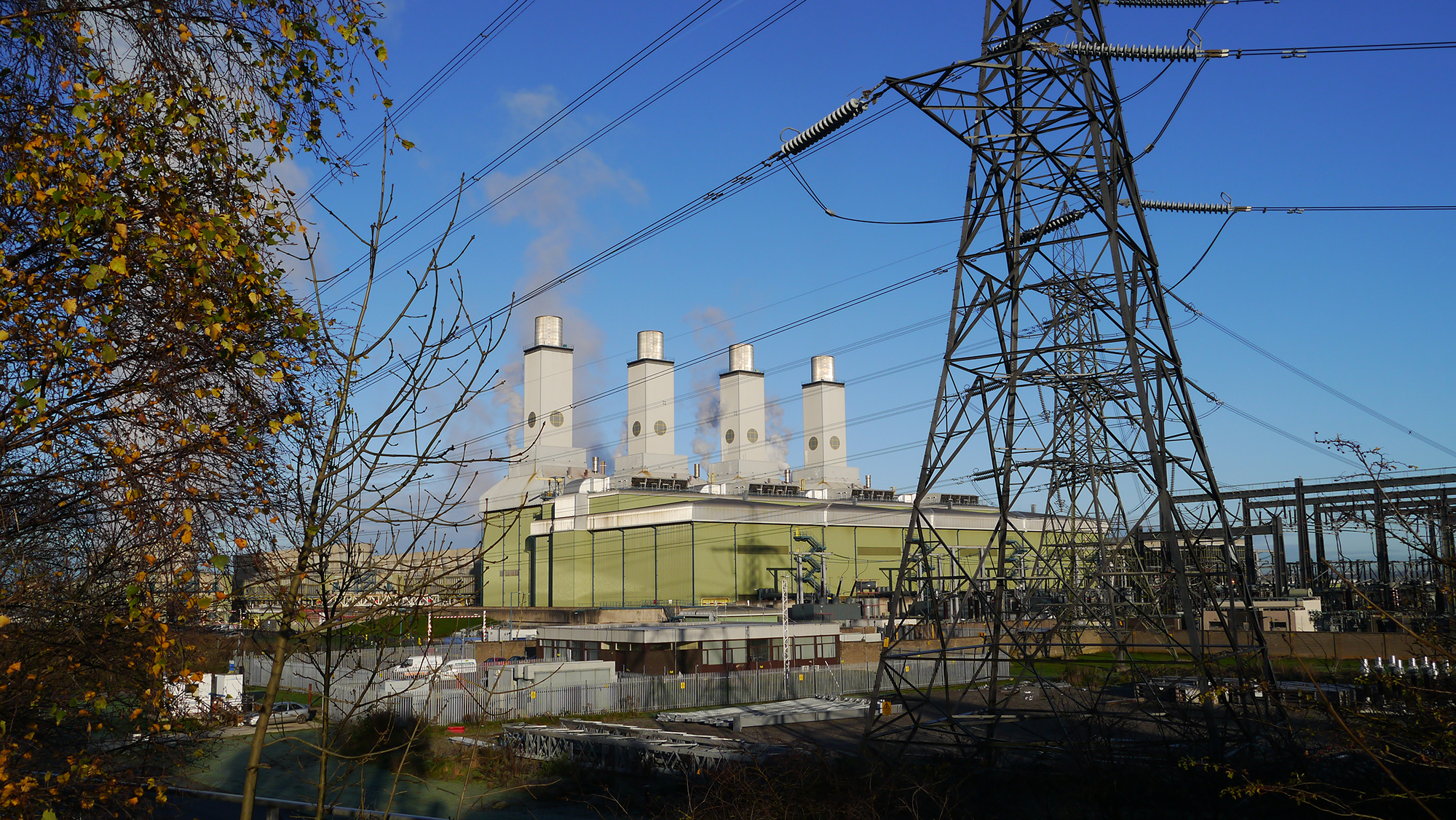
Connah's Quay power line view

Connah’s Quay is an ideal location to establish a low carbon power station - it would connect into nearby CO₂ transport and storage infrastructure as part of the HyNet industrial cluster, and benefits from the on-hand expertise of the existing highly skilled workforce.

There has also been a power station on site for over seventy years, meaning essential energy infrastructure is already in place, including an existing pipeline which can be repurposed for the transport of captured CO₂ to the existing depleted offshore gas fields where it will be permanently stored. From a coal-powered station in the 1950s, to the current natural gas power station, and with future plans to move to a low carbon power plant; the evolution of the Connah’s Quay site is an example of how the energy industry is adapting to the challenge provided by climate change. We are pleased that this project could mean that highly skilled jobs can be retained at Connah’s Quay.    

Investment at Connah’s Quay could contribute significantly to economic growth in the region, by protecting skilled technical jobs, creating new opportunities during construction, along with potential opportunities through the wider supply chain. 


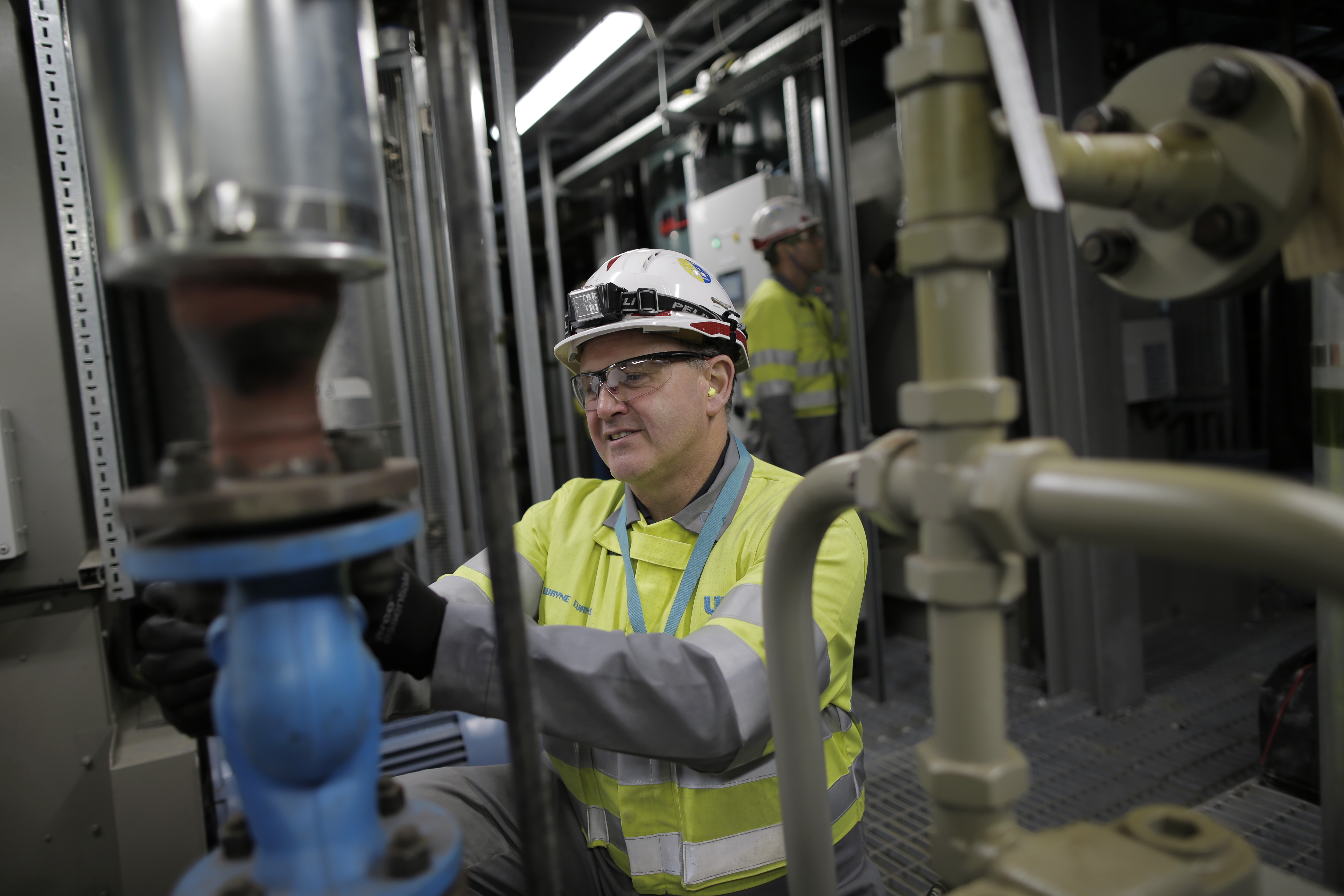
Connah's Quay power station people

Uniper is proud of the role we play in protecting the local environment and contributing to the local community at Connah’s Quay power station. We already work with Natural Resources Wales and local groups to maintain the site of special scientific interest (SSSI) on our land. This includes the provision and maintenance of a field study centre, hides and observatory, as well as a land management plan to optimise ecological diversity.

As part of our plans for the future of Connah’s Quay, we will work with our stakeholders to understand any concerns and take steps to protect existing habitats and enhance biodiversity where possible. 


CQ nature reserve
Project plans

Project plans

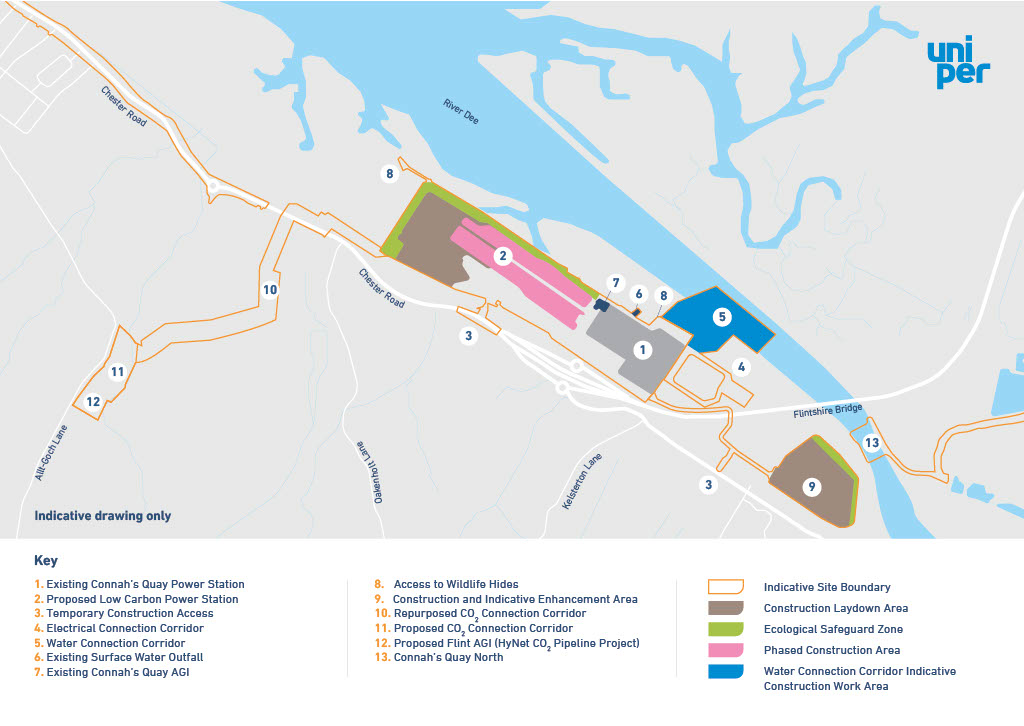
Uniper is land owner of the 98 hectare Connah’s Quay site, currently occupied by our existing unabated gas-fired power station. The proposed new development will be located on the same site adjacent to the existing power station. 

The map shows indicative locations for the infrastructure that would be built on our site, as part of the proposed CQLCP project. Please note that these plans are still in an early stage of development and are subject to change following the conclusion of Front End Engineering Design (FEED) studies, expected later this year and as we continue to evolve our design following feedback and consultation with national statutory bodies, local authorities and the local community.

Click to expand image: CQLCP illustrative site map
PDF - 3.74 MB


CQLCP Site Map

CQLCP illustrative site map

The final design will be determined during Front End Engineering Design (FEED) but we are proposing to build a new combined-cycle gas turbine (CCGT) power station with carbon capture technology.

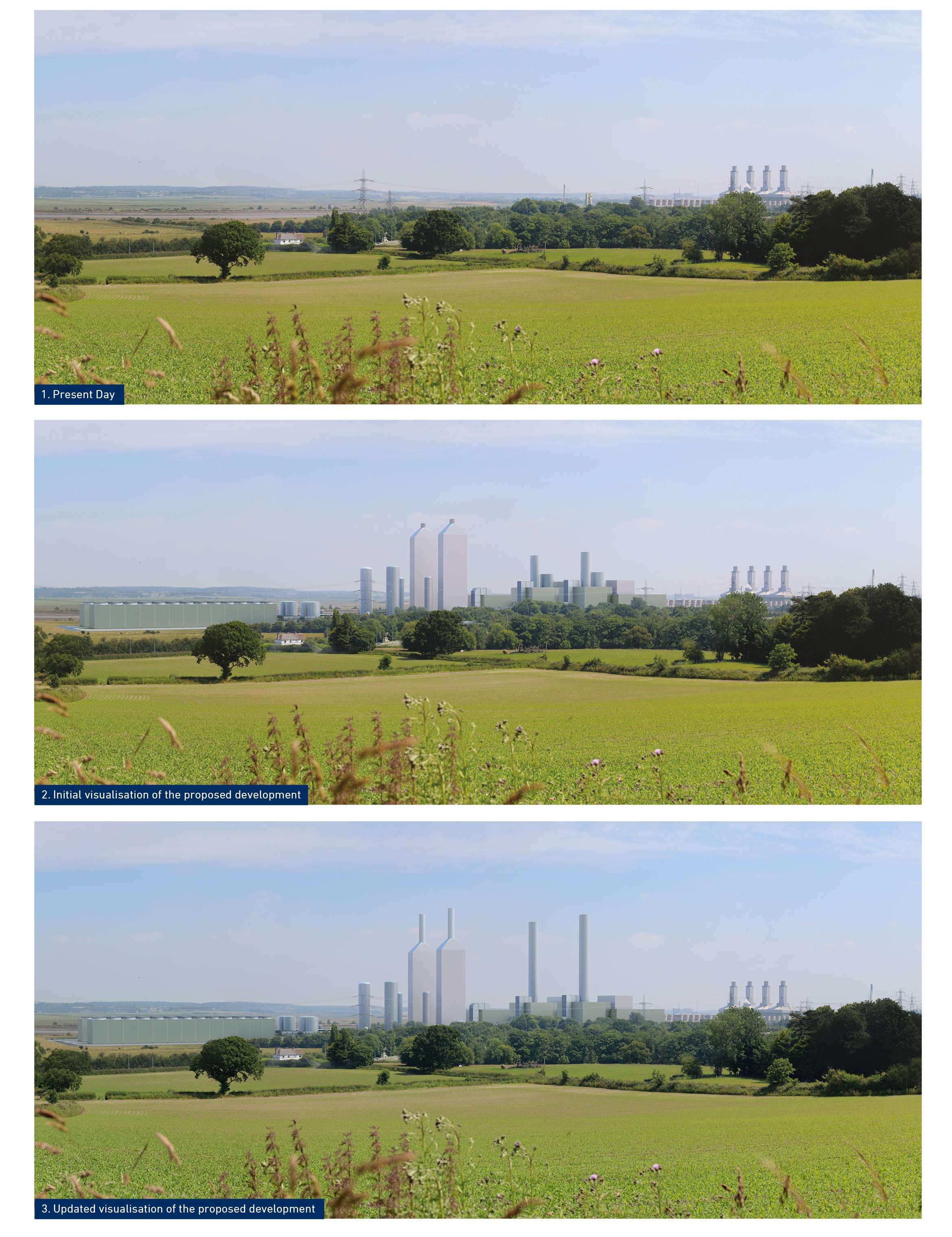
Computer modelling, desk-based assessments and field visits have been undertaken to determine how visible the new facility will be and what it could look like. As part of our Statutory Consultation last year, we worked with Flintshire County Council to select a number of viewpoints that cover the projected visual impact of the project. These viewpoints are representative of views of the new facility from publicly accessible locations in the surrounding area.

The following computer generated images provide a comparison between the present day site, the design shared at Statutory Consultation and the proposed changes. These images are a representation of how the new facility might look from nearby locations. Additional images showing viewpoints from other locations can be viewed on our consultation website.

Click here to expand image: CQLCP CGI comparisons
PDF - 361.66 KB


CQLCP CGI visualisations

Connah's Quay Low Carbon Power project illustrative CGI comparisons

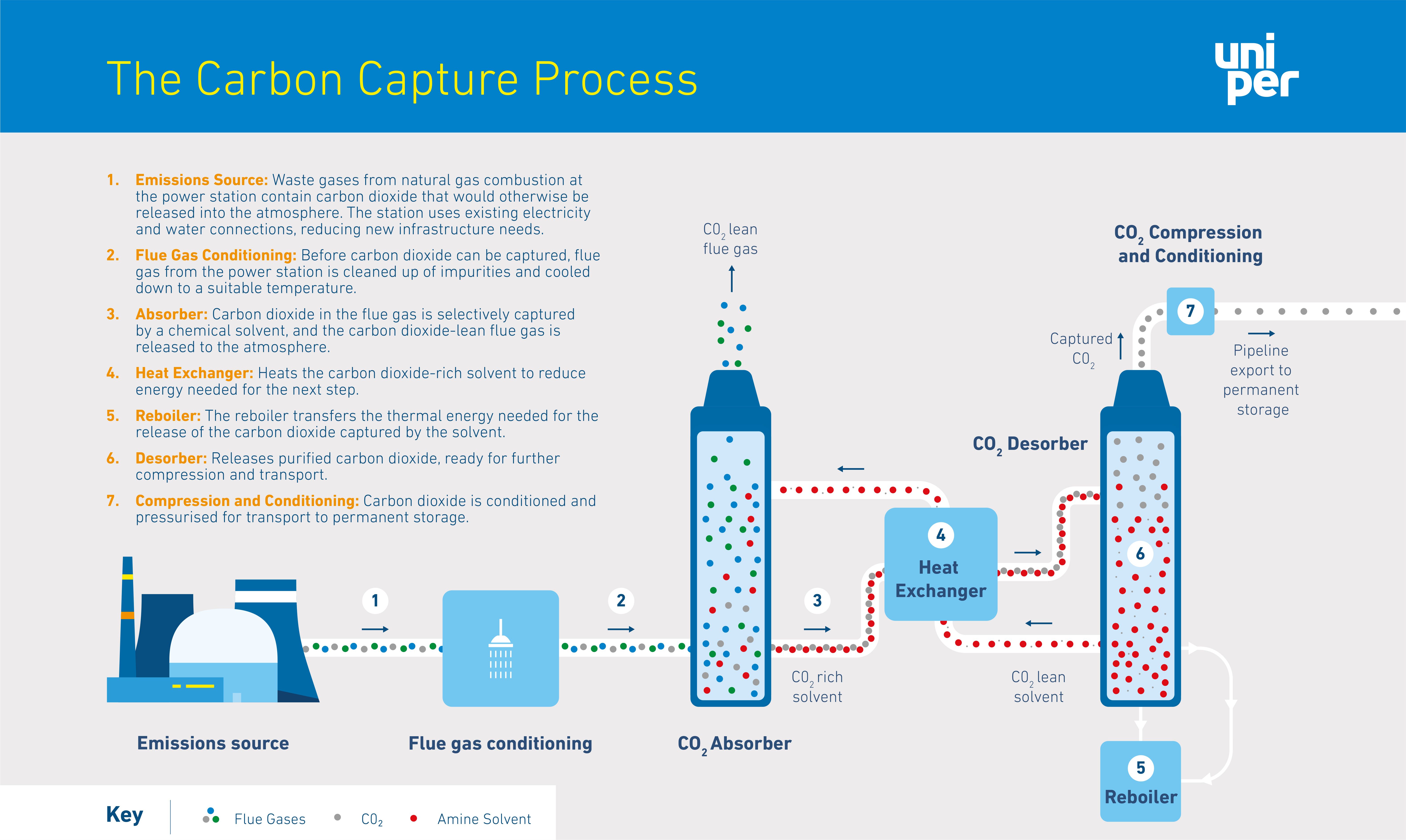
Carbon capture and storage (CCS) is a key part of the process to reduce carbon emissions in energy generation. It involves the removal and capture of carbon dioxide (CO₂) from power plant emissions, transporting it away to be securely stored underground, often in aquifers or depleted oil and gas fields.  

CCUS also refers to carbon capture and storage but with the ‘U’ referring to utilisation of the captured CO₂. Captured CO₂ can be used for a variety of industrial purposes, such as the production of synthetic fuel and low carbon building materials, or in the food and beverage industry. 

Click here to expand image: CQLCP Carbon Capture Process
PDF - 634.53 KB


Carbon capture process

The carbon capture process

The amount of CO₂ captured depends on the amount of electricity generated which will vary to match demand needs. Based on our current modelling we expect that a new low carbon power station with carbon capture technology at Connah’s Quay could capture up to 4.7Mtpa per year for a 1.38GW power station, at full load, which is equivalent to the emissions for more than 3.3 million cars. However, the quantity captured on an annual basis is expected to be lower as the plant is anticipated to operate in a dispatchable mode.

Timeline

Timeline

26 February - 25 March 2024

We undertook an initial programme of consultation

8 October - 19 November 2024

Statutory consultation undertaken

8 May - 6 June 2025

Further 'targeted consultation' specifically about a design change conducted

5 August 2025

CQLCP was selected by the Government for the Project Negotiation List (PNL) as part of the CCUS Cluster Sequencing programme

5 August 2025

A DCO consent application was submitted by Uniper

25 August 2025

The Planning Inspectorate completed its review and confirmed that it has been accepted for examination

Approx. 3 - 4 months

The project is in the pre-examination phase, which is expected to take approximately three to four months from acceptance

2030

Phase one could potentially be operational

Proposals to develop a new low carbon power station at Connah’s Quay are at a very early stage. We have recently submitted a Development Consent Order (DCO) application to the Planning Inspectorate, following a process of consultation and engagement with a wide range of stakeholders, including national agencies, local authorities, businesses, community groups and local residents.

We undertook an initial programme of consultation from 26 February to 25 March 2024 followed by Statutory Consultation from 8 October to 19 November 2024. From Thursday 8 May to Friday 6 June 2025, we conducted a further consultation, specifically about a design change, technically referred to as a ‘targeted consultation’. 

The feedback received during all consultation phases has been reviewed and analysed to understand key themes and issues of importance. We appreciate the time given by everyone who shared their views. 

On 5 August 2025, Connah's Quay Low Carbon Power was selected by the Government for the Project Negotiation List (PNL) as part of the CCUS Cluster Sequencing programme. It has been selected as a priority project for connection to the Hynet cluster.

A DCO consent application was submitted by Uniper on 5 August 2025. On 28 August, the Planning Inspectorate completed its review and confirmed that it has been accepted for examination. The project will now move into the pre-examination phase, which is expected to take approximately three to four months from acceptance. The Planning Inspectorate will post details on its website about how to the public and stakeholders can register as interested parties nearer the time. 

If consented, the new power station is expected to be developed in two phases; with roughly half its eventual capacity of low carbon power delivered in phase one, and later expansion up to a maximum of 1.38GW. Phase one could potentially be operational by 2030.

Project documents

Project documents

Uniper CQLCP statutory consultation brochure 8 October to 19 November 2024
PDF - 2.86 MB
Uniper CQLCP statutory consultation newsletter 8 October to 19 November 2024
PDF - 442.68 KB
Uniper CQLCP statutory consultation newsletter 8 October to 19 November 2024_Welsh language
PDF - 1.08 MB
Connah's Quay Low Carbon Power project newsletter issue 1
PDF - 4.59 MB
Pŵer Carbon Isel Cei Connah Cylchlythyr y Prosiect
PDF - 1.91 MB
Your questions

Your questions

A list of frequently asked questions (FAQs) has been produced and will continue to be updated throughout the planning process.

Uniper is a European energy company with global reach and operations in more than 40 countries. With around 7,500 employees, the company plays a central role in ensuring a secure energy supply in Europe – particularly in its core markets of Germany, the United Kingdom, Sweden, and the Netherlands. In the UK, Uniper owns and operates a flexible generation portfolio, a fast-cycle gas storage facility and two high pressure gas pipelines, from Theddlethorpe to Killingholme and from Blyborough to Cottam.  

Uniper’s strategy is to secure a reliable energy supply whilst accelerating the energy transition. 

To achieve that goal, we have committed to invest around €8 billion into growth and transformation projects between 2023 until the early 2030s. This includes developing new renewables projects, investing in renewable and low-carbon gases such as hydrogen, and new CCS or H2-ready power plants and by progressively transforming our existing fleet into Europe's leading source of decarbonised power.

CO₂ is stored safely offshore deep underground, typically between 0.8 – 3km down, for thousands of years.

CO₂ storage sites are carefully chosen to ensure the highest confidence in permanent storage and there is rigorous site characterisation, monitoring and verification procedures in place to ensure the CO₂ stays safely stored. These assessments and procedures are required by CCUS regulations before a project is allowed to proceed.

Many of the potential storage site opportunities are large saline aquifers or depleted oil and gas fields which are well understood and have already stored gas and CO₂ naturally for millions of years.

Proposals to develop a new low carbon power station at Connah's Quay are at a very early stage. In accordance with the DCO consenting process, we have carried out a process of consultation and engagement with a wide range of stakeholders, including national agencies, local authorities, businesses, community groups and local residents. We submitted a Development Consent Order application on 5 August 2025. On 28 August 2025, the Planning Inspectorate completed its review and confirmed that it has been accepted for examination. The project will now move into the pre-examination phase, which is expected to take approximately three to four months from acceptance. The Planning Inspectorate will post details on its website about how the public and stakeholders can register as interested parties nearer the time. 

Uniper has a long-standing presence at Connah’s Quay and understands the importance of being a good neighbour. To ensure local people are consulted on our proposals, we agreed a programme of public consultation with the local planning authority – Flintshire County Council. 

We undertook an initial programme of consultation from 26 February to 25 March 2024 and statutory consultation from 8 October to 19 November 2024. We also carried out a targeted non-statutory consultation on a design change from 8 May to 6 June 2025. 

The consultation programme included opportunities to discuss the proposed project at different locations around the area and online, via a dedicated website as well as online events. 

The views expressed by all stakeholders, along with the outcomes of environmental assessments and technical studies, have been carefully considered and where possible, have informed our plans for the project.

Uniper will continue to work with the local community and stakeholders as the project progresses and moves through the planning process. All lines of communication will remain open. Please email the project team at info@connahsquaylcp.co.uk, or contact the project team on 0800 0129156. Phone lines are operational between 9:00am and 17:30pm, Monday to Friday (excluding bank holidays).  

The development of a new low carbon power station at Connah’s Quay could help to maintain economic prosperity in Deeside and across the region, by protecting skilled technical jobs, as well as creating new opportunities during construction and through the wider supply chain.

Uniper has a long-standing presence at Connah’s Quay and understands the importance of being a good neighbour. During the construction and decommissioning phases of the project, we will be undertaking work that will require the delivery of materials and products by a range of vehicle types, including heavy goods vehicles (HGVs).

The project has been designed, as far as possible, to avoid or minimise impacts and effects on traffic and transport through the process of design development. The assessments are ongoing to understand the impact traffic could have on the local road network during the construction, operation and decommissioning phases of the project.  We have included mitigation measures into the project design through the framework Construction Traffic Management Plan (CTMP) and the framework Construction Worker Management Plan (CWMP), which have been submitted as part of our DCO application.

The Connah’s Quay site has many advantages, including the ability to use existing strategic infrastructure connections such as cooling water, gas and grid connections. An existing pipeline previously used to deliver gas to the site can be repurposed for the transport of captured CO2. It is our intention to retain and reuse as much infrastructure as possible for the development, while making sure it is fit for purpose for the lifetime of the new power station.

Contact us

If you would like to talk to us about the project, you can contact our Community Relations Team using the following contact information: 

Email us at info@connahsquaylcp.co.uk 

Call us on 0800 0129156 

Write to us at Freepost CQLCP 

Contact us

Press enquiries regarding Connah's Quay Low Carbon Power

Sara Revell

Uniper in the UK: Spokesperson
Portrait of Sara Revell
Image
Killingholme Low Carbon Power project site aerial

Uniper UK's other Low Carbon Power project

Killingholme Low Carbon Power

The potential development of a new carbon capture power station in the UK's Humber region.